The Critical Need for Storm Shelters: Why Your Home Requires One
Storm shelters fulfill an essential purpose in safeguarding homes against dangerous weather occurrences. They defend families from the hazards of strong winds, flying debris, and flood waters. Understanding their importance can substantially impact community resilience. However, selecting the right type of shelter and readying it effectively requires meticulous assessment. What factors should homeowners weigh when selecting a storm shelter? The answers may surprise you and could change the way you think about security in your home.
Understanding Storm Shelters and Their Function
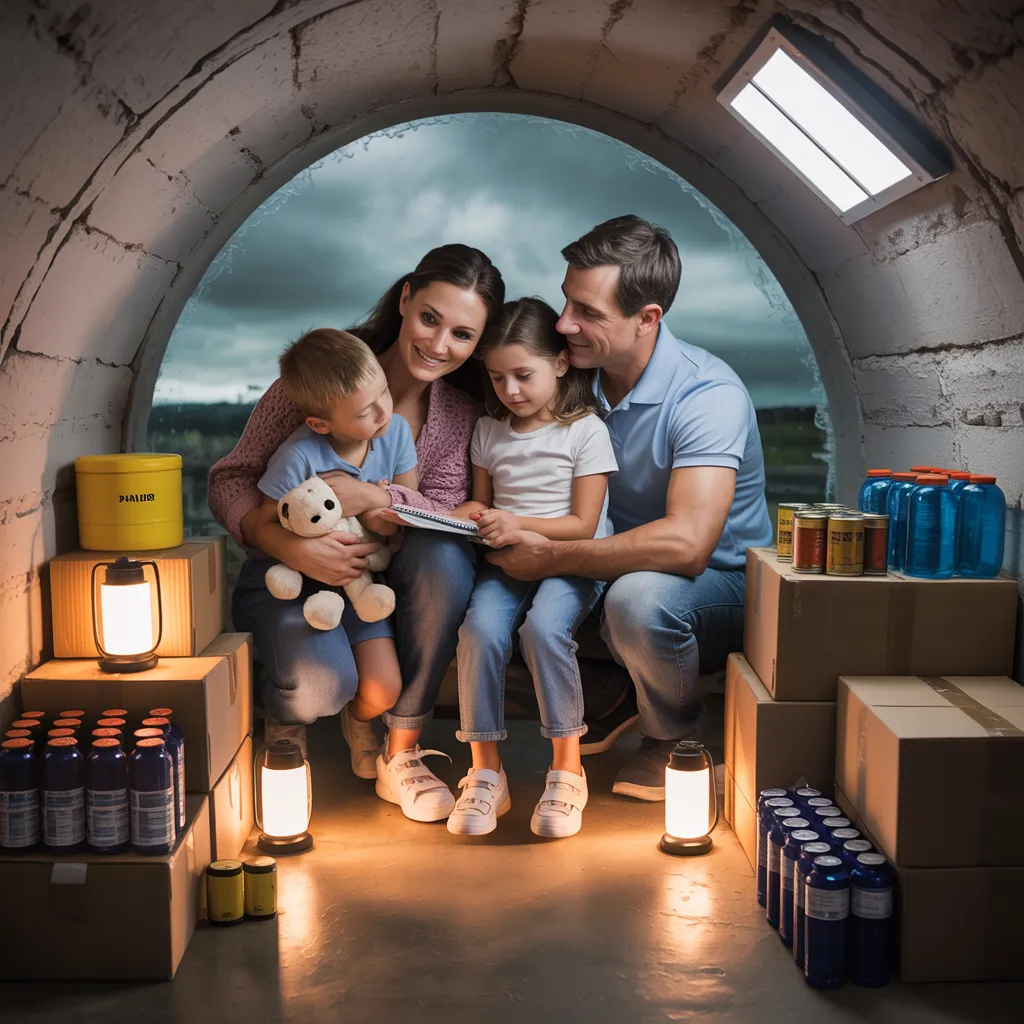
Storm shelters serve as essential sanctuaries engineered to protect individuals from severe weather conditions, such as extreme storms, tornadoes, and hurricanes. Their main purpose is to offer a safe refuge during dangerous and unpredictable conditions, minimizing the risk of loss of life or injury. Equipped to resist strong winds, flying debris, and flooding, storm shelters are built according to particular safety standards and guidelines.
Understanding the importance of storm shelters is crucial, particularly in areas susceptible to severe weather. They provide peace of mind, permitting families to plan for emergencies without the persistent fear of potential disasters. Moreover, storm shelters can function as community resources, fostering resilience and preparedness among neighbors. By investing in a storm shelter, individuals undertake proactive steps in the direction of safeguarding their relatives and ensuring a safe environment during extreme natural occurrences. Ultimately, storm shelters embody a significant component of emergency preparedness strategies.
Storm Shelter Types: Selecting the Right Option
Picking the appropriate type of storm shelter is vital for guaranteeing safety during severe weather events. Homeowners have several options to consider, each with distinct features and benefits. Above-ground shelters are readily accessible and can be installed in multiple locations, but they may not deliver the same level of protection as underground options. Underground storm shelters provide substantial security against tornadoes and high winds, often made from reinforced concrete.
Additionally, there are portable storm shelters that can be transferred as needed, providing flexibility for families on the go. For those with limited space, safe rooms constructed within existing structures can serve as a viable compromise, employing interior walls for added protection. Eventually, the choice of storm shelter should evaluate factors such as location, budget, and the specific weather threats confronted by the homeowner. Making an informed decision will improve safety during severe weather conditions.
Benefits of Possessing a Storm Shelter
While severe weather can strike unexpectedly, maintaining a storm shelter greatly enhances safety for individuals and families. These shelters deliver a safe environment, protecting against strong winds, flying debris, and possible tornadoes. In addition to physical safety, storm shelters deliver peace of mind, knowing that a specific safe space exists during severe weather events.
Moreover, storm shelters can increase property value, as they are considered a desirable feature by potential homebuyers in storm-prone regions. They also allow for more rapid response during emergencies, doing away with the need to travel to a public shelter, which may be congested or far away. Moreover, many modern storm shelters are designed to be multipurpose, serving as storage spaces or safe rooms for daily use. Ultimately, the benefits of having a storm shelter extend beyond just protection, comprising improved safety, property value, and convenience for families facing severe weather conditions.
Storm Shelters vs. Conventional Safety Methods
When severe weather threatens, the decision between storm shelters and conventional safety measures becomes essential for ensuring safety. Storm shelters deliver a strengthened, dedicated space designed specifically to withstand extreme conditions, delivering a superior level of protection than most conventional options. In contrast, standard safety measures, such as staying indoors or seeking refuge in a basement, may not adequately safeguard individuals from the violent forces of nature, particularly in tornado-susceptible areas.
While standard techniques may be useful in specific scenarios, they frequently are missing the structural strength needed to withstand extreme storms. Storm shelters are designed to rigorous safety standards, providing peace of mind during emergencies. Moreover, they can house larger groups, guaranteeing that families can be together. Ultimately, purchasing a storm shelter presents a proactive approach to safety, resolving the limitations of conventional safety measures and strengthening overall preparedness for extreme weather conditions.
Key Installation Factors for Storm Shelters
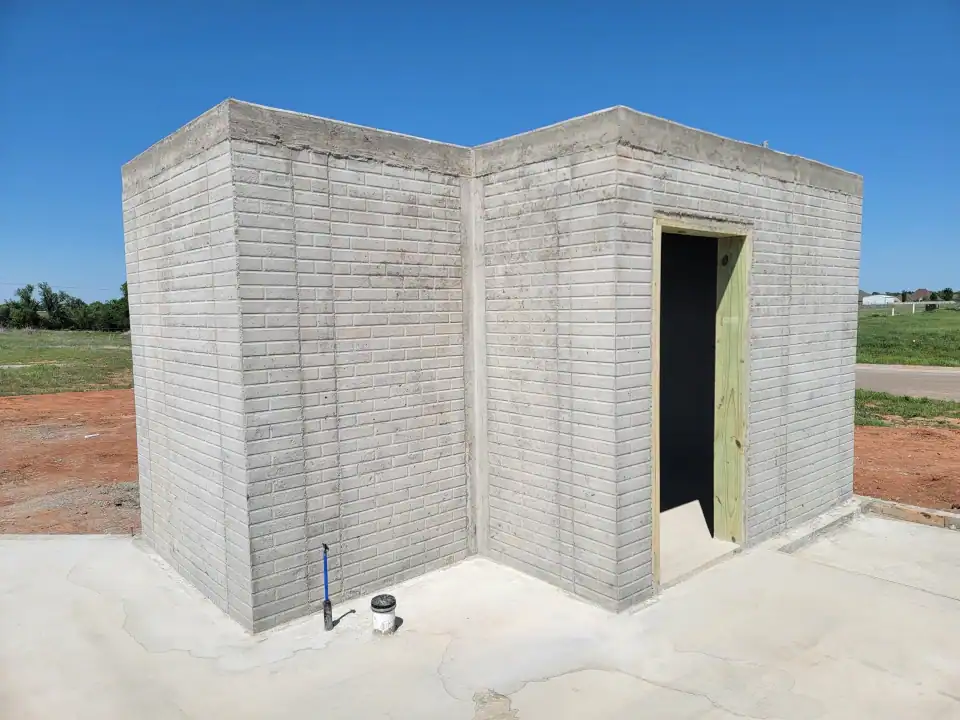
Before beginning the installation of a storm shelter, various critical considerations must be considered to ensure maximum safety and functionality. The first aspect to evaluate is the location; shelters should be positioned away from trees and power lines to minimize risks from falling debris. Additionally, the soil type and drainage conditions are essential, as poor drainage can cause flooding during storms.
Building codes and permits should also be taken into account, as following regulations ensures the shelter adheres to safety codes. The type and size of the shelter should be consistent with the occupants' needs, providing adequate space for all occupants.
Additionally, accessibility is essential; the shelter needs to be easily accessible during an emergency. Last but not least, the materials used in construction ought to be long-lasting and resistant to high winds and flying debris, strengthening the shelter's overall resistance against severe weather conditions.
Preparing Your Storm Shelter for Emergencies
Preparing a storm shelter for emergencies demands careful planning and attention to detail. An important supplies checklist can ensure that individuals have the required items on hand, while regular maintenance guidelines can help keep the shelter in ideal condition. Both aspects are vital for maximizing safety during severe weather events.
Fundamental Stock Breakdown
A thoroughly stocked storm shelter may become a lifeline in serious weather crises. To guarantee preparedness, homeowners should compile an essential supplies checklist. This list typically includes non-perishable food items, such as canned goods and energy bars, alongside bottled water to sustain each family member for at least three days. A first aid package is crucial, featuring bandages, antibacterial solutions, and needed prescriptions. Flashlights with extra batteries, a battery-powered or hand-crank radio, and a multi-tool can enhance safety and communication. Throws and solid footwear are likewise essential for warmth and maneuverability. Additionally, personal hygiene products and important documents, stored in waterproof containers, should not be overlooked. By gathering these provisions, people can improve their preparedness for unforeseen crises.
Standard Maintenance Recommendations
Regular maintenance of a storm shelter is essential for ensuring it remains a safe haven during emergencies. Homeowners should conduct regular inspections to look for any signs of water leakage, cracks, or pest infestations. It is advisable to clear out any debris or clutter that may accumulate inside the shelter, ensuring adequate space for occupants. Additionally, checking and replacing expired emergency supplies, such as food, water, and first-aid kits, is essential. The shelter's ventilation system should also be examined to confirm proper airflow. Finally, homeowners should practice emergency drills with family members to familiarize them with the shelter's layout and emergency procedures. By following these maintenance tips, homeowners can significantly enhance the safety and readiness of their storm shelters.
True Accounts: The Impact of Storm Shelters When Facing Disasters
Storm shelters serve as essential safety systems during natural disasters, offering protection and safety to those caught in the path of destructive forces. In 2011, families in Joplin, Missouri, took refuge in storm shelters as a devastating article tornado decimated their town. Many emerged unscathed, thanking these shelters with saving their lives. Similarly, during Hurricane Harvey in 2017, residents of Texas found solace in community storm shelters, where they stayed safe from rising floodwaters. Stories from survivors emphasize the psychological comfort delivered by these secure havens, building a sense of community amidst chaos. In contrast, those without access to storm shelters faced harrowing experiences, often leading to tragic outcomes. These real-life stories emphasize the critical role storm shelters play in disaster preparedness, stressing the need for every home to include a reliable shelter solution. The impact of storm shelters goes beyond physical safety, emphasizing the importance of resilience in the face of natural disasters.
Your Questions Answered
What Does a Storm Shelter Usually Cost?
Storm shelters generally cost between $3,000 and $10,000, varying with the size and materials used. Installation can add to the overall expense, fluctuating based on site-specific needs and location for safety.
Are Underground Storm Shelters a Viable Option?
Yes, storm shelters can be built underground. A lot of homeowners prefer underground designs due to their enhanced protection against severe weather, delivering a safe refuge that remains discreetly hidden from view while maintaining structural stability.
What Are the Best Materials for Storm Shelters?
Reinforced concrete, steel, and fiberglass are considered the best materials for storm shelters. These materials offer exceptional strength and resilience, ensuring protection against harsh weather conditions while adhering to safety standards for subterranean or surface-level installations.
How Often Should I Inspect My Storm Shelter?
Storm shelters should be inspected at least twice a year, preferably before and after storm seasons. Regular checks guarantee structural integrity, verify supplies, and resolve any possible problems, ensuring occupant safety throughout emergency situations.
Do Tax Incentives Exist for Storm Shelter Installation?
Various jurisdictions make available tax incentives or rebates for setting up storm shelters, especially in zones subject to severe weather. Homeowners should consult local government agencies or tax advisors to determine specific eligibility and available programs.